
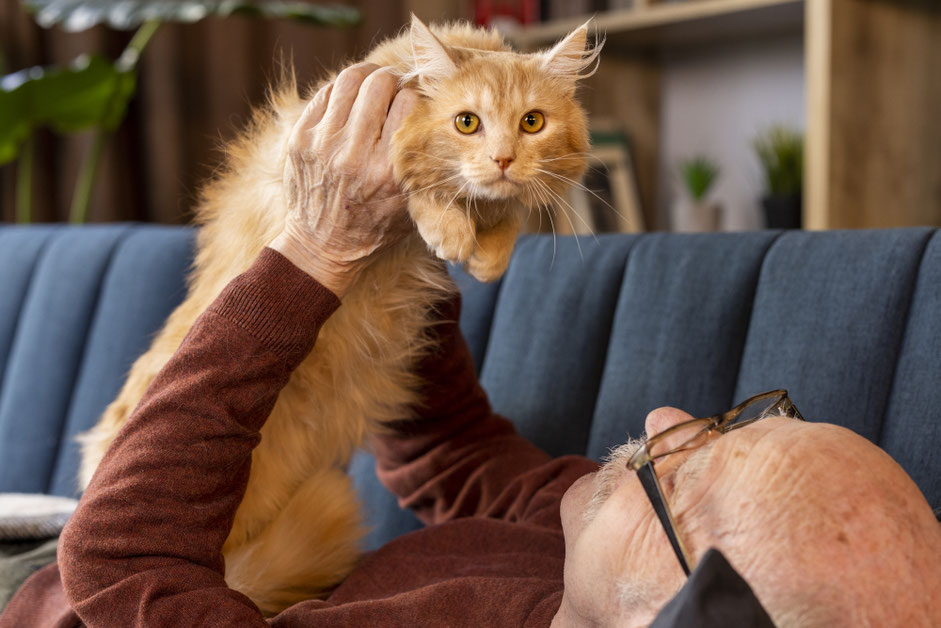
A Maine Coon kitten coming into your home is a very wonderful milestone. With their huge paws, gorgeous tufted ears, and highly caring nature, these gentle giants are often referred to as the “dogs of the cat world.” Raising a pedigree cat demands special care, and doing it in the Golden State brings its own set of circumstances—from dealing with intense summer heatwaves to finding the correct local veterinary care.
Whether you’ve just adopted your kitten from a breeder in
Northern California or you’re preparing your Southern California house for their arrival, this full guide covers all you need to know. Let’s dive into how to offer your California Maine Coon the
happiest, healthiest life possible.
1. Making Golden State Safe and Welcoming
For a young kitten, the first few days in a new environment can be very daunting. Before you bring your new buddy home, it is important to create a special “starter room.” This should be a smaller, quiet location, such as a guest bedroom or a spacious bathroom outfitted with their litter box, food, water, and a few safe toys.
California Hazards: Kitten-Proofing
Maine Coons are known for their curiosity and intelligence, and will investigate every nook and cranny of your home.
Secure the Windows: California homes often depend on cross-breezes to cool them. Ensure that all window screens are high-quality and securely fastened; a 15-pound Maine Coon can easily cause an accident if it leans against a flimsy screen.
Conceal Electric Cords: Phone chargers and appliance cords should be concealed and enclosed with protective tubing. Kitten teeth love to gnaw.
Remove harmful Plants: Many common household and patio plants are particularly harmful to felines, including lilies, sago palms, and azaleas. Inspect your houseplants before you bring your kitty home.
2. How to Survive California Weather with a Heavy Coat
Maine Coons developed naturally to endure the brutal, frigid winters of New England. They have a thick, water-repellent double coat and a
gorgeous bushy tail, which they may wrap around themselves for warmth. Creating an environment for a cat adapted to snow in California’s warm Mediterranean climate requires deliberate
environmental control.
Summer Heat Beat:
California summers are lovely, but temperatures can easily reach triple digits. Maine Coons can’t sweat to cool off, so you’ll need to take
active actions to keep them safe from heat stroke.
Strictly Indoor Living: Keep your Maine Coon indoors so you can control the temperature in
their habitat.
Optimize Air Conditioning: Keep your home’s system running efficiently during the hottest
parts of the day. If you are away at work, don’t turn the AC off completely; set it to a safe, comfortable temperature.
Provide Cool Zones: Maine Coons enjoy sprawling on cool surfaces. They have a natural place to expel body heat: tile floors or exposed hardwood floors in bathrooms. You can also buy pressure-activated pet cooling mats.
Importance of Hydration:
They have thick coats and a large body mass. Hydration is critical. Maine Coons have a curious fixation on rushing water. Opt for a circulating pet water fountain instead of a stagnant water bowl. They naturally drink more often due to the movement of the water, which helps them maintain kidney health.
3. Final Maine Coon Grooming Routine
Don’t shy away from the luscious length of a California Maine Coon’s coat. They do need regular upkeep, but creating a routine early in your kitten’s life turns grooming into a relaxing, emotionally linked bonding experience.
De-matting and Brushing Methods
Brushing your kitten three to four times a week will help you avoid uncomfortable mats and lessen the inevitable seasonal shedding.
The Tools: For the dense undercoat, you will need a good-grade stainless steel greyhound comb, and for the topcoat, a soft slicker brush.
Technique: Begin at the belly and work your way gently upward, paying special attention to high-friction regions such as the armpits, behind the ears, and around the rear legs (or “britches”). If you find a minor tangle, tease it apart with your fingers or the edge of the comb rather than pulling.
Bathing & Nail Trimming
Many California Maine Coons are so dog-like in their attitudes that they may be trained to tolerate (and sometimes thoroughly enjoy) a bath. Start giving lukewarm water baths early on, using a cat-safe, soap-free shampoo. Bathing your cat every few months can help keep their coat immaculate, lively, and free of unnecessary oils.
And clip the very tips of their claws every two to three weeks with professional pet nail trimmers. Once your kitten is relaxed or sleepy, begin to introduce this job and give premium goodies after every successful paw.
4. Nutritional Needs of Large Breeds
Maine Coons don’t attain complete physical development until they are 3 to 5 years old. To sustain this extended, huge growth skeleton, your California kitten needs a top-quality, biologically suitable diet.
Select the Right Diet
Look for high-quality kitten formulas that list actual meat (such as chicken, turkey, or salmon) as the very first ingredient: no fillers, hefty corn by-products, or artificial preservatives.
Wet Food vs. Dry Kibble: Often, a mix of both is best. High-quality wet food provides essential moisture that supports urinary system health, while premium dry kibble for large breeds promotes vigorous chewing and helps maintain clean teeth.
The Growth Phase: Feed your kitten on a “free-feeding” or very frequent schedule in its first year. They burn an amazing number of calories, increasing bone density and muscle mass.
5. Grow Your Gear: Think Big
Standard cat supplies won’t cut it when you’re rearing a big breed. If you get standard-sized equipment, you will likely need to upgrade it
within 6 to 9 months as your kitten goes through rapid growth spurts.
Heavy Duty Cat Trees
A mature male Maine Coon may easily weigh anything from 15 to 25 pounds. That kind of weight will knock over a regular carpeted cat tree from
a neighborhood pet store. When shopping for a cat tree, look for heavy-duty, solid-wood models with extra-large perches, thick sisal scratching posts, and weighted bases to keep them safe during
high-energy play.
Litter Boxes (Extra Large)
Your kitten needs plenty of room to walk in, turn around, and
scratch. Choose large open-topped litter trays. Many experienced Maine Coon owners avoid the pet department and purchase heavy-duty plastic storage totes, then cut a smooth entry opening into one
of the sides for the perfect roomy litter box.
6. Find local health screenings and veterinary services
One of the most important things you can do is build a rapport with an experienced California veterinarian. Discuss breed-specific health
monitoring freely at your first wellness exam.
Genetic Screening & Health
Reputable preservationist breeders examine their adult lines before breeding, but it’s always wise to keep your vet in the loop. You want to be sure your practitioner checks for Hypertrophic Cardiomyopathy (HCM), a hereditary heart condition, as well as Hip Dysplasia, which can be seen in heavier, larger cat breeds. Regular checkups, a healthy diet, and consistent low-impact exercise will keep your huge friend sprightly well into their senior years.
Final Thoughts: A Californian Friendship for Life
Caring for California Maine Coon babies is a huge, rewarding investment of time, love, and energy. Add to that shielding them from the elements, feeding their rapid growth, keeping up with grooming, and providing sturdy, heavy-duty clothing. You set the stage for an astonishing transformation. And before you know it, your little energetic ball of fluff will grow into a majestic, communicative, passionately devoted giant who will anchor your home in pure joy for years to come.